


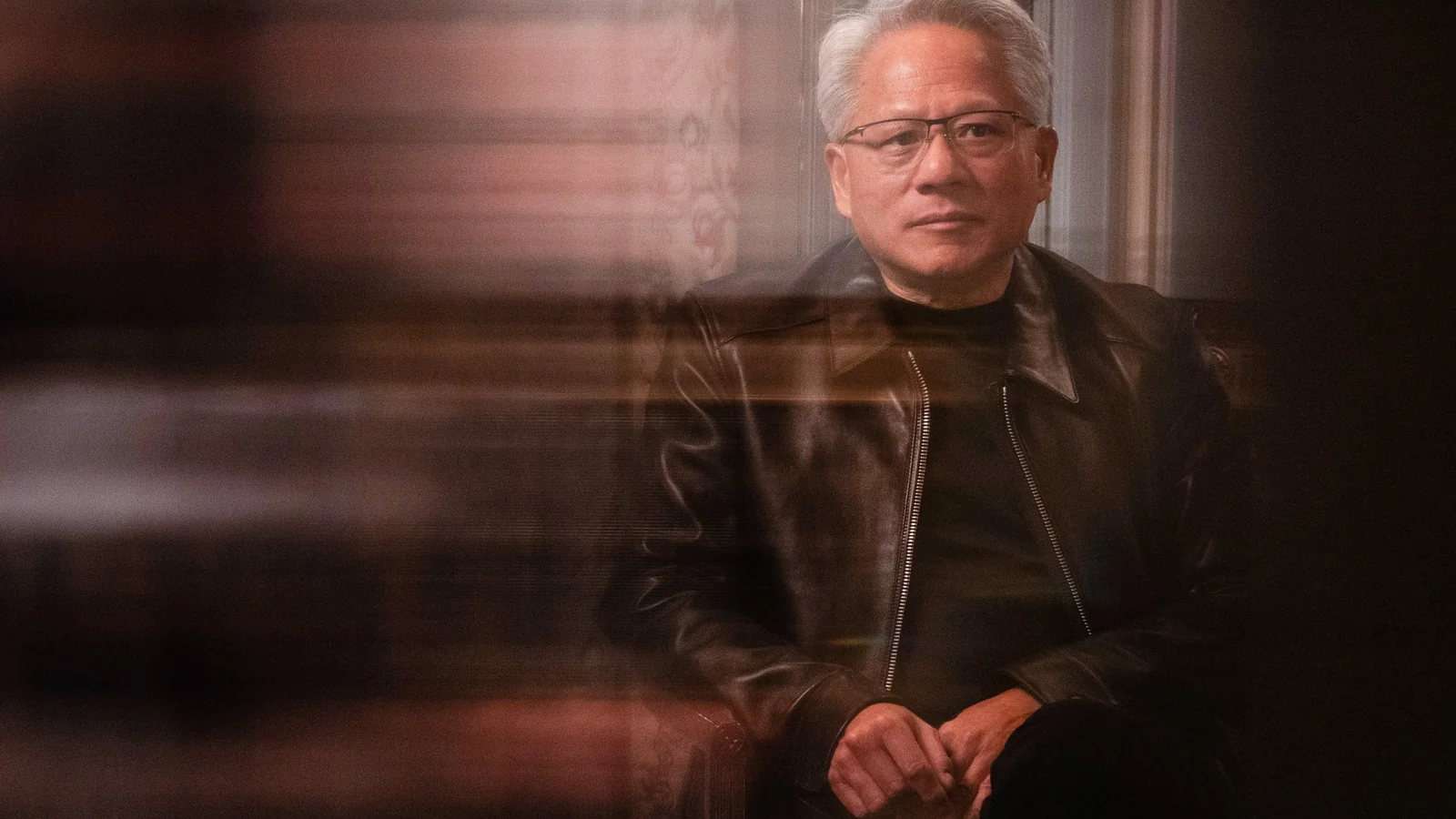
The person who steered Nvidia from a gaming-graphics company to the center of the AI boom is no longer running it. On Thursday, November 12, 2026, Nvidia's board announced that co-founder Jensen Huang had resigned as president, CEO and board member, effective immediately. He had led the company for 33 years.
Chief Financial Officer Colette Kress becomes interim CEO and keeps her CFO job. The board has started a search for a permanent chief executive and says it will consider internal and external candidates. It also named Harvey C. Jones, a former CEO and executive chairman of chip-design software maker Synopsys, as its first-ever board chair. Nvidia's chips train and run much of the world's AI software, so a leadership change at the top matters well beyond the company.
What Nvidia Said
Nvidia's announcement did not give a reason for the resignation and did not quote Huang. The board thanked him for contributions it called "immeasurable."
Jones said the board has "full confidence" in Kress and the leadership team. He said it expects operations, customer commitments and the product roadmap to continue "without interruption." Kress, who joined Nvidia in September 2013 after nearly 25 years in finance roles at companies including Cisco and Microsoft, said she is committed to building on the foundation Huang created.
Nvidia still plans to report third-quarter fiscal 2027 results on Tuesday, November 17, as previously scheduled.
The Road to Thursday
The resignation follows a turbulent week. On November 8, Huang emailed employees, in a message Nvidia published, and wrote: "There is no excuse for what I did." He said he had been unfaithful to his wife. He also referred to national security concerns raised in news reports and said the board had opened an independent investigation, which he supported.
According to reporting by Implicator.ai, the relationship involved a senior executive at Singapore-based Nvidia customer Megaspeed, whom U.S. intelligence officials believe worked for Chinese intelligence. The same report says China denies the espionage claims and that Huang denied compromising national security or company secrets. It also says the board's investigation is being led by the law firm Wachtell, Lipton, Rosen & Katz. Nvidia has not said what the investigation found or whether it is finished.
The New York Times separately reported that Huang had a relationship with a second executive who reports to him, according to Implicator's account of that story. Neither Nvidia nor the executive has confirmed it.
The Numbers
Markets reacted fast. Implicator reported that Nvidia shares fell more than 13% at Thursday's open, pushing the company's market value below $4 trillion. That compares with a Wednesday close of $173.73 and a record close of $239.24 on October 6. Implicator put the value lost since that peak at roughly $2 trillion.
Nvidia's growth under Huang is the backdrop. Implicator reports annual revenue rose from $4.28 billion in 2013 to $215.9 billion in the most recent fiscal year. The same outlet says Nvidia is about 6% of the S&P 500 and that Huang owns roughly 3.6% of the company.
Nvidia also does more than sell chips. Implicator reports the company helps customers finance purchases and backstops some leases, with obligations to other firms estimated at $400 billion. That estimate is the outlet's, not an Nvidia figure. In plain terms, some customers rely on Nvidia for both the hardware and part of the money to buy it, so a shake-up at the top can ripple through their spending plans.
What Comes Next
The most immediate test is the November 17 earnings report, Kress's first as interim CEO. After that comes the permanent CEO search. Implicator reports that the names floated internally include Ian Buck, who created Nvidia's CUDA software platform, and Jeff Fisher, who joined in 1994 and later led its GeForce business. Analyst Dan Ives, quoted by the outlet, expects Kress to hold the interim job for about a year. "To steady the ship, she's the one," he said, adding that a longer-term pick will probably come from outside the company.
Succession is a known sore spot. Implicator reports Huang ran Nvidia with roughly 60 direct reports and no traditional chief operating officer, and that he has said he does not believe in succession planning. The outlet also notes that Nvidia's own proxy statement warns of its dependence on its longstanding executive team.
Outside the boardroom, scrutiny of Nvidia's China-related sales and its dealings with Megaspeed is continuing. Implicator reports that Nvidia put Megaspeed on an internal block list in June 2025 and that the Justice Department is leading multiple investigations. It also reports that Rep. Brian Mast, who chairs the House Foreign Affairs Committee, has said he may subpoena Huang. Nvidia has not announced any findings from its own review.
Sources: NVIDIA Newsroom, "NVIDIA Announces CEO Transition"; NVIDIA Newsroom, "A Message to Our Company"; CBS News; Implicator.ai.


