


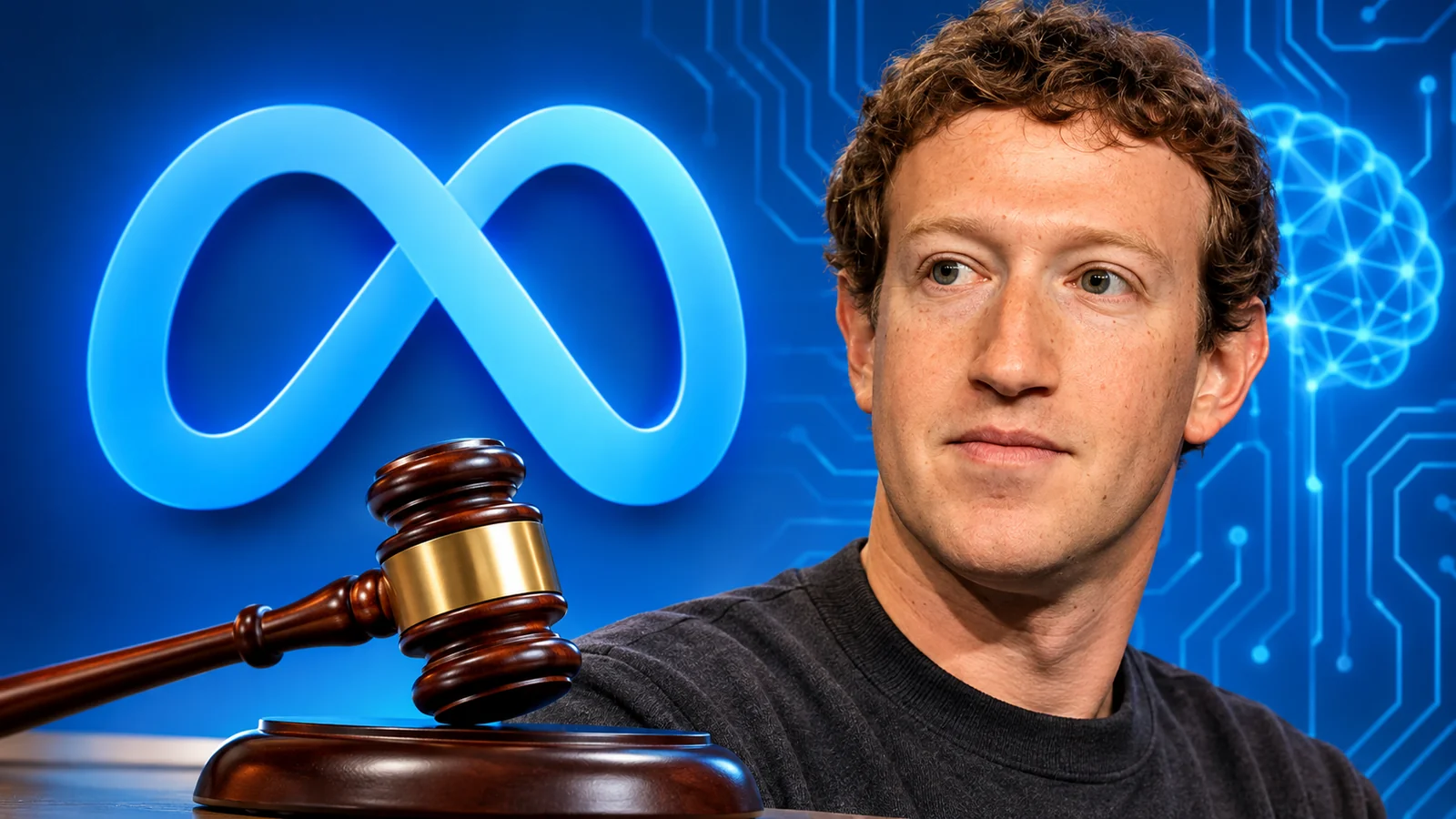
What happens when an artificial intelligence system makes a mistake, but the company that built it says someone else should take responsibility? Meta has been exploring an answer that puts much of the risk on its business customers. But after concerns from advertisers, publishers and industry observers, the company has now pressed pause.
On November 6, 2026, Meta announced that it was suspending planned updates to its Commercial Terms, Self-Serve Ad Terms, Product Catalog Terms and Ad Creative Generative AI Terms. The changes, which had been scheduled to take effect on November 20, will not proceed as planned. For now, the existing agreements remain in force.
The controversy centered on a proposed contractual change that would make businesses responsible for risks associated with Meta's AI features and the content they produce. The proposal raised an important question for the wider technology industry: if a company builds and operates an AI system, how much responsibility should it be able to transfer to the people using it?
When AI Gets It Wrong
The proposed changes concerned businesses using Meta's commercial ecosystem, including Facebook, Instagram, WhatsApp and Messenger.
At the center of the debate was a new section titled "AI Features". It acknowledged that Meta's artificial intelligence tools could produce inaccurate, incomplete or unsuitable results.
That admission was followed by a significant allocation of responsibility. The proposed wording stated that customers would be "solely responsible for and assume any and all risks associated with such AI features and any resulting Content."
In practical terms, Meta wanted businesses to accept responsibility for the consequences of using its AI features, including the content those features generated or modified.
The language was particularly notable because it did not clearly limit that responsibility to AI functions that customers had deliberately activated.
Consider a company preparing an advertisement. An AI system might help generate a headline, improve an image or modify other creative elements. If the resulting material contained an error or was unsuitable for publication, the proposed wording placed substantial responsibility on the business.
That creates a complicated relationship between control and accountability. The platform supplies the technology, but the customer may carry much of the contractual risk.
More Than an AI Disclaimer
The AI provision was not the only controversial element of the proposed changes.
Meta also sought broader language concerning the content associated with business accounts and services. The proposed terms described the company's ability to use automated software, including web crawlers and bots, to access, analyze and collect information from websites associated with customers' products and services.
Such tools are commonly used to discover and retrieve information across the internet. Search engines use similar technology to index websites and make their contents searchable.
However, the proposed contractual language raised questions about how information collected from business websites could be used to develop, improve, research and maintain Meta's advertising and commercial products.
Another concern involved intellectual property. The proposed wording covered content made available by customers or people acting on their behalf, including advertising agencies and service providers.
For businesses working with multiple external partners, that raised practical questions about who controls uploaded material and what permissions are granted when content enters Meta's ecosystem.
Meta subsequently sought to clarify its position on web crawling. According to reporting by Computerworld, Meta public affairs manager Emil Vazques said the consolidated crawling provisions applied to advertising and business products, not a broader change in how the company used web crawlers.
He also said website owners could continue using robots.txt to communicate their preferences. This is a widely recognized file-based convention that tells automated web crawlers which parts of a website they should avoid accessing.
The Accountability Problem
The proposed AI clause attracted criticism from technology and cybersecurity specialists.
Frank Dickson, principal analyst at Dickson Research, told Computerworld that the wording "turns accountability upside down". His concern was straightforward: Meta develops the AI features, acknowledges that they can make mistakes, but seeks to assign the associated risks to its business customers.
Mike Wilkes, enterprise chief information security officer at Aikido Security, also questioned the approach. He argued that businesses could face responsibility for inaccurate or unsuitable AI-generated material even though they do not control the underlying AI model.
This distinction matters because AI-generated content is not always predictable. A system can produce convincing-looking material that contains factual errors, inappropriate elements or information that does not match a company's intended message.
For a business, the consequences can extend beyond a disappointing advertisement. Incorrect commercial claims, misleading product descriptions and unsuitable brand content can create reputational and contractual problems.
The broader issue extends well beyond Meta. As technology platforms increasingly integrate generative AI into their commercial services, contracts will play an important role in determining who bears responsibility when automated systems fail.
Meta Hits the Pause Button
Meta originally scheduled the updated agreements to take effect on October 30, 2026. The company subsequently moved the implementation date to November 20, giving partners and stakeholders additional time to understand the changes.
That delay did not resolve the concerns. On November 6, Meta announced a further decision: the planned updates were being paused entirely.
A company spokesperson told Reuters: "We're pausing the changes as we continue to engage with stakeholders and take our time to get this right. In the meantime, our existing terms remain in effect."
The announcement means that the proposed AI liability provisions will not become effective on November 20 as previously planned. Meta has not announced a replacement implementation date.
Importantly, the pause covers several sets of commercial agreements, not just the AI-related provisions. It would therefore be inaccurate to treat the announcement as a permanent withdrawal of every proposed change.
What Businesses Should Watch Next
The next 12 to 24 months could prove important for the relationship between AI developers, commercial platforms and their customers.
Three questions stand out.
First, how will companies allocate responsibility for AI-generated content? Businesses need clarity about who is accountable when automated tools introduce errors, especially when those tools operate within advertising workflows.
Second, how much control will customers have over automated changes? The distinction between deliberately selecting an AI feature and having a platform make changes automatically could become increasingly important in future commercial agreements.
Third, how will platforms define their rights to customer content and information collected from associated websites? Businesses increasingly rely on external agencies, advertising platforms and automated services, making ownership and permission boundaries more complicated.
For now, Meta's decision provides a temporary reprieve for businesses operating under its commercial agreements. It does not, however, settle the underlying debate.
Artificial intelligence is becoming an increasingly active participant in commercial decisions and content creation. The technology may generate the words, images and recommendations, but contracts still determine who carries the consequences when something goes wrong.
Meta's proposed terms brought that question into sharp focus. Its decision to pause them suggests that allocating AI responsibility is not simply a matter of adding a paragraph to a contract. It is a question that technology companies, customers and regulators will continue to confront as AI becomes more deeply embedded in everyday business operations.
Sources: This article is based on reporting by Reuters, covering Meta's November 6 announcement, and Computerworld, reporting on the proposed commercial terms and their AI liability provisions.


