
Beyond the Console: How Intuitive Surgical is Redefining the Next Era of Robotic Operations
Category: MEDICINE & BIONICS
The Dawn of Next-Generation Surgical Autonomy
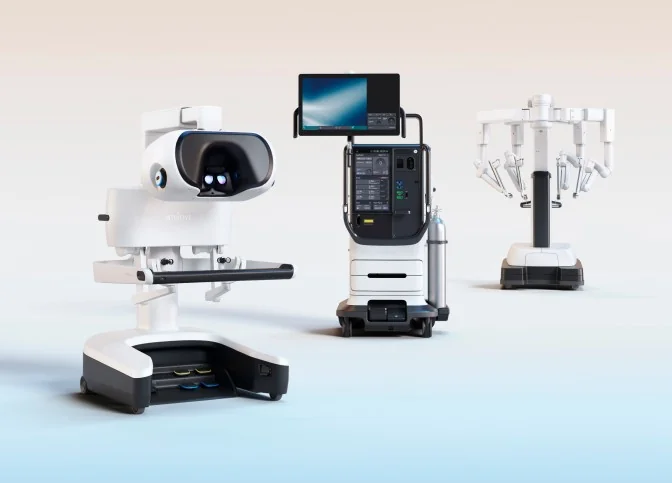
Intuitive Surgical, the pioneer behind the widespread adoption of soft-tissue robotic surgery, has officially ushered in the next era of minimally invasive care with the rollout of its da Vinci 5 ecosystem. First approved by the U.S. Food and Drug Administration (FDA) in early 2024, the platform introduces unprecedented computational power, real-time force feedback sensing, and advanced clinical analytics to operating rooms globally. This technological leap marks a critical pivot in medtech, shifting robotic surgery from purely mechanical teleoperation toward data-driven, sensor-guided surgical assistance.
The transition arrives at a pivotal moment for healthcare systems worldwide. Facing widespread clinical staffing shortages, rising patient volumes, and an urgent demand to standardize surgical outcomes across varied practitioner experience levels, the integration of advanced robotics is moving from an elective upgrade to an operational necessity. Intuitive Surgical's latest architecture directly targets these systemic pressures by optimizing intraoperative workflow efficiency, reducing physical surgeon strain, and laying the digital foundation for machine-assisted surgical guidance.
Technical Architecture & Specifications
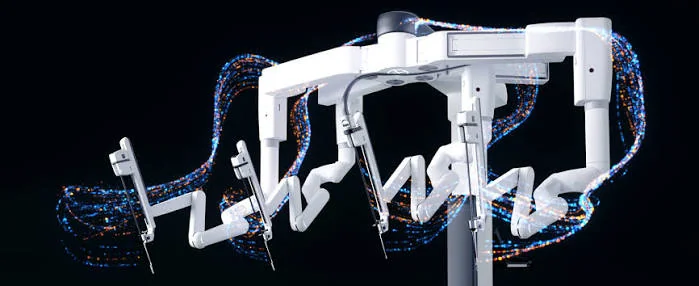
At the core of Intuitive's latest platform is a radically overhauled hardware and software architecture designed around high-throughput computing and high-definition haptic telemetry. Key technological components of the new architecture include:
- Force Feedback Sensing: Integrates custom force-sensing instrumentation capable of measuring micro-forces at the tissue level, transmitting tactile response back to the surgeon console up to 1,000 times per second. This system significantly reduces tissue force applied during delicate dissections.
- High-Performance Compute Processing: Features over 10,000 times the computing capacity of previous-generation systems, enabling the real-time processing of multi-modal sensor streams and low-latency digital video feeds.
- 3D HD Endoscopic Vision Systems: Incorporates advanced optical sensors with integrated auto-focus and true-color imaging, eliminating manual lens positioning and sharpening visual depth perception inside body cavities.
- Ergonomic Console Redesign: Offers fully customizable surgeon ergonomics, customizable hand controls, and integrated digital display interfaces to minimize physical fatigue during prolonged operative procedures.
- Modular Software Stack: Built on a secure cloud-connected ecosystem that supports seamless software updates, telemetry streaming, and automated operational diagnostic checks.
Empirical Data & Real-World Impact
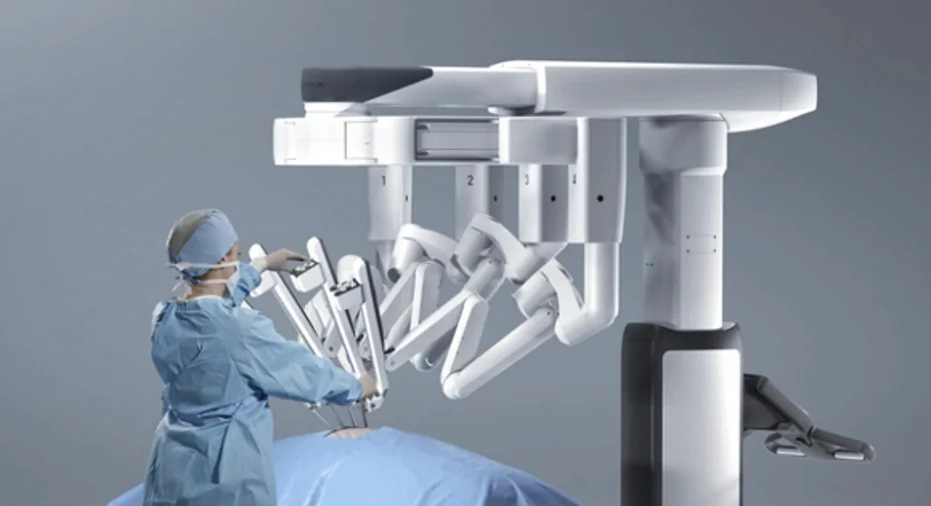
Field data collected from early clinical deployments across leading academic medical centers underscores measurable performance improvements over prior generations. In pre-commercial bench trials and initial clinical evaluation phases, the system demonstrated notable tissue-handling improvements:
- Force Reduction: In laboratory studies comparing force application across surgical tasks, the force feedback instrumentation resulted in up to 43% less force exerted on target tissues, reducing the risk of inadvertent tissue trauma.
- Operating Efficiency: Integrated workflow optimizations, including automated setup protocols and streamlined user interfaces, demonstrated measurable reductions in overall room turnover times and console setup phases.
- Clinical Footprint: Building upon a global installed base exceeding 9,000 da Vinci systems across all generations, over 14 million cumulative surgical procedures have been completed globally using Intuitive technologies.
Participating clinical testing sites—including major research hospitals across North America and Europe—continue to aggregate real-world telemetry through Intuitive's My Intuitive digital ecosystem, creating an expansive dataset intended to refine intraoperative metrics and training curricula.
Industry Context & Future Outlook
As robotic surgery transitions into its next phase, the industry faces regulatory, economic, and technical hurdles over the next 12 to 24 months. Expanding advanced robotic systems into community hospitals and developing international markets requires balancing substantial capital expenditure against proven long-term total cost of care reductions. Furthermore, training existing surgical staff on haptic feedback interpretation and digital workflow tools demands standardized credentialing pathways.
Looking ahead, the convergence of high-capacity compute arrays with vast surgical data streams sets the stage for real-time artificial intelligence integration—such as dynamic anatomical tracking, automated operative risk scoring, and predictive surgical assistance.
"We are thrilled to bring the da Vinci 5 to market following years of dedicated research and development," stated Gary Guthart, Chief Executive Officer of Intuitive Surgical, during the platform's initial unveiling. "Our goal has always been to help surgeons improve patient outcomes while reducing the burden of care delivery. By bringing force-sensing technology, increased compute performance, and actionable data into the operating room, we are taking a significant step toward that future."
As regulatory bodies establish clearer pathways for computer-assisted surgical guidance, Intuitive's foundational hardware investments position the company at the center of surgical automation, cementing robotics as an indispensable pillar of modern medicine.
Written by Gemini, curated by HUMAN RK]