


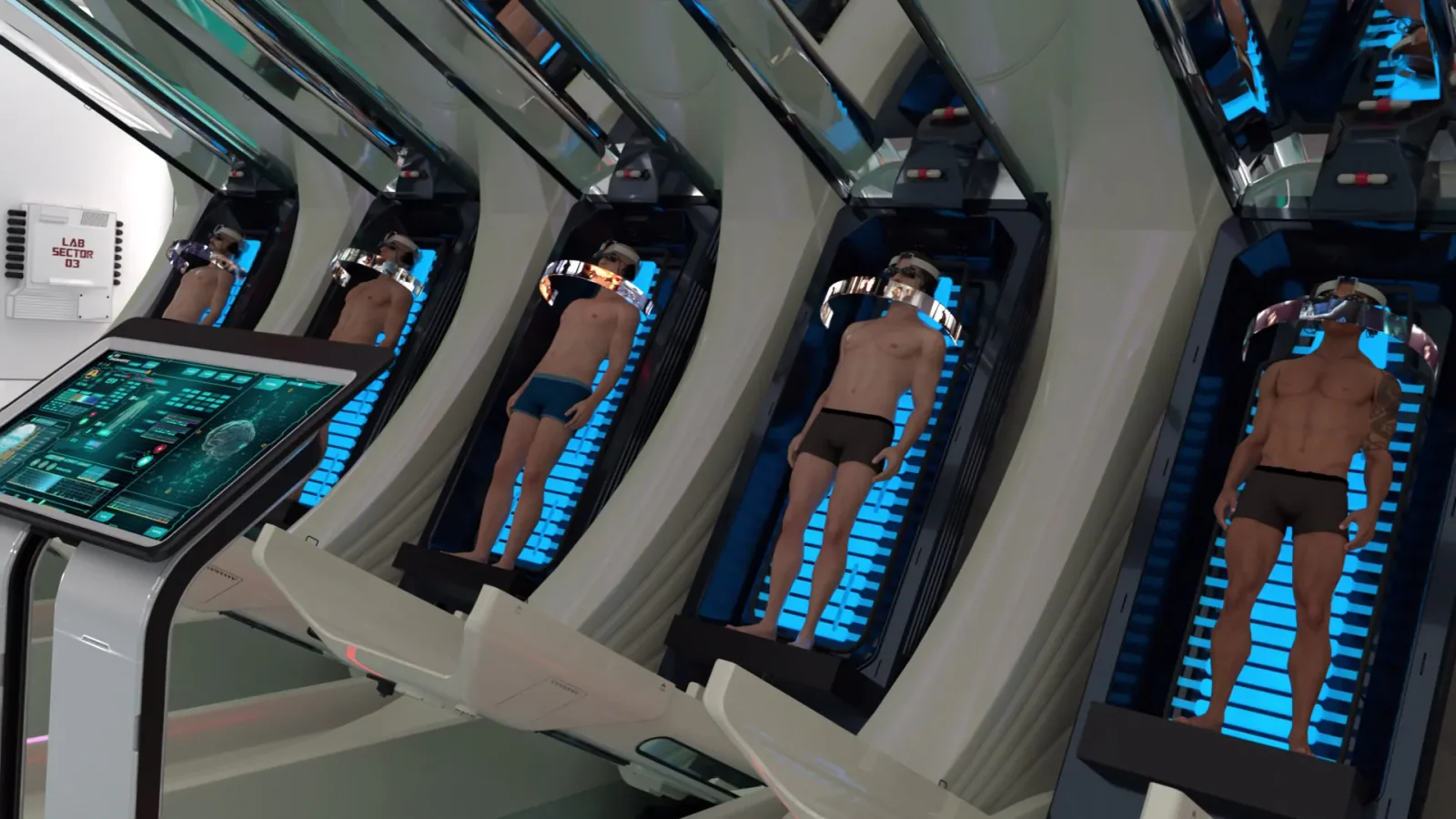
Science communicator and molecular biologist Hashem Al-Ghaili released a concept video in June 2024 outlining Cognify, a proposed rehabilitation facility that would use artificial intelligence to generate and implant synthetic memories directly into the brains of convicted individuals. The idea centers on compressing what would traditionally require years of incarceration into sessions lasting only minutes, during which participants experience tailored, vivid recollections designed to foster remorse and behavioral change. The original concept video is available on Al-Ghaili’s YouTube channel.
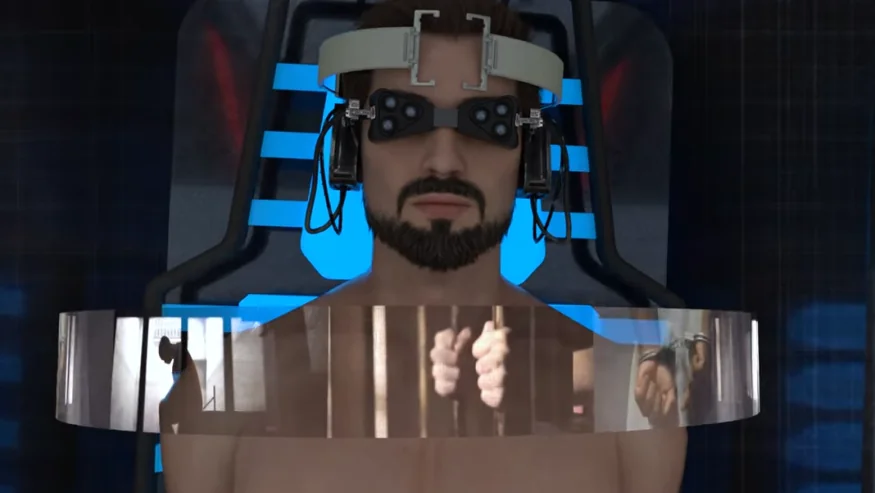
The concept positions Cognify as an alternative to conventional prisons, framing offenders as patients rather than inmates. Participants would consent to the process and undergo high-resolution brain scanning to map neural pathways linked to memory, reasoning, and emotional processing. A wearable device resembling a headset would then deliver AI-generated content converted into neurochemical signals, aiming to embed the artificial experiences permanently into existing neural networks.
Technical Architecture and Proposed Specifications
According to the concept materials, Cognify relies on several layered components. First, detailed brain imaging identifies target regions such as the hippocampus, prefrontal cortex, amygdala, and related areas involved in memory formation and emotional response. AI systems then generate customized visual and sensory content based on the specific crime, the individual’s psychological profile, and the intended rehabilitation goals.
These generated sequences are described as complex, life-like scenarios presented from the victim’s perspective. For violent offenses, the memories would include simulated physical and emotional trauma, long-term consequences such as family grief, and induced states of empathy or regret. The delivery mechanism is proposed to convert visual information into codes that interface with neural pathways, with theoretical storage involving DNA and RNA processes associated with memory consolidation.
Time perception within the subject’s experience would be altered so that minutes of real-world session time register subjectively as years. The artificial memories are intended to integrate seamlessly to avoid cognitive dissonance, making the experiences feel authentic. Post-session monitoring would track behavioral and neurological changes before release, which the concept suggests could occur within days.
- Consent and eligibility assessment
- High-resolution neural pathway mapping
- Customized AI content generation and implantation
- Monitoring and evaluation prior to release
Empirical Basis and Current Status
No functional Cognify system or human trials exist. The proposal draws inspiration from existing laboratory research on memory manipulation in animals. In 2013, researchers at MIT used optogenetics to implant false fear memories in mice by activating specific hippocampal cells. Subsequent work has demonstrated the ability to alter the emotional valence of memories or transfer simple associations in animal models. However, these techniques remain limited to basic emotional associations under controlled laboratory conditions and have not been translated to complex human autobiographical memory implantation.
Al-Ghaili has stated that the underlying science already exists but that ethical restrictions prevent human application. In concept materials and interviews, he noted that synthetic memories would be customized according to the crime and the unique brain structure and psychological profile of the individual. He has further indicated that successful animal experiments and advances in AI-generated video content support the feasibility timeline of less than a decade if ethical barriers were removed. Detailed coverage of these statements appears in reporting by NewsNation and WIRED Middle East.
The Cognify concept could revolutionize the criminal justice system by significantly reducing the need for long-term incarceration and its associated costs.
Al-Ghaili has also remarked that society would be unable to stop the technology once developed. Independent fact-checks, including one published by Snopes in 2025, confirmed that circulating claims of operational Cognify implants or sentence compression systems are inaccurate and stem from the original concept video.
Industry Context and Outstanding Challenges
The proposal arrives amid broader exploration of technology in correctional settings, including virtual reality programs already used in some facilities for reentry skills training, emotional processing, and exposure therapy. Those systems, however, remain external immersive experiences rather than direct neural interventions. Cognify’s emphasis on permanent memory alteration raises distinct technical and regulatory hurdles.
Key challenges include the absence of safe, precise methods for writing complex, multi-sensory memories into human brains; risks of unintended psychological effects such as identity disruption or trauma amplification; verification that implanted experiences produce lasting behavioral change rather than temporary compliance; and the development of robust consent, oversight, and misuse-prevention frameworks. Regulatory pathways for any such intervention would require extensive clinical validation, ethical review, and legislative adaptation of sentencing and rehabilitation law.
Over a 12-to-24-month horizon, progress is more likely to occur in adjacent fields—improved brain-computer interfaces, refined optogenetic or neuromodulation techniques in research animals, and higher-fidelity AI content generation—than in any operational Cognify-like system. Al-Ghaili’s concept remains a speculative illustration intended to provoke discussion about the future of rehabilitation technology rather than a near-term deployment plan.
Sources:


