

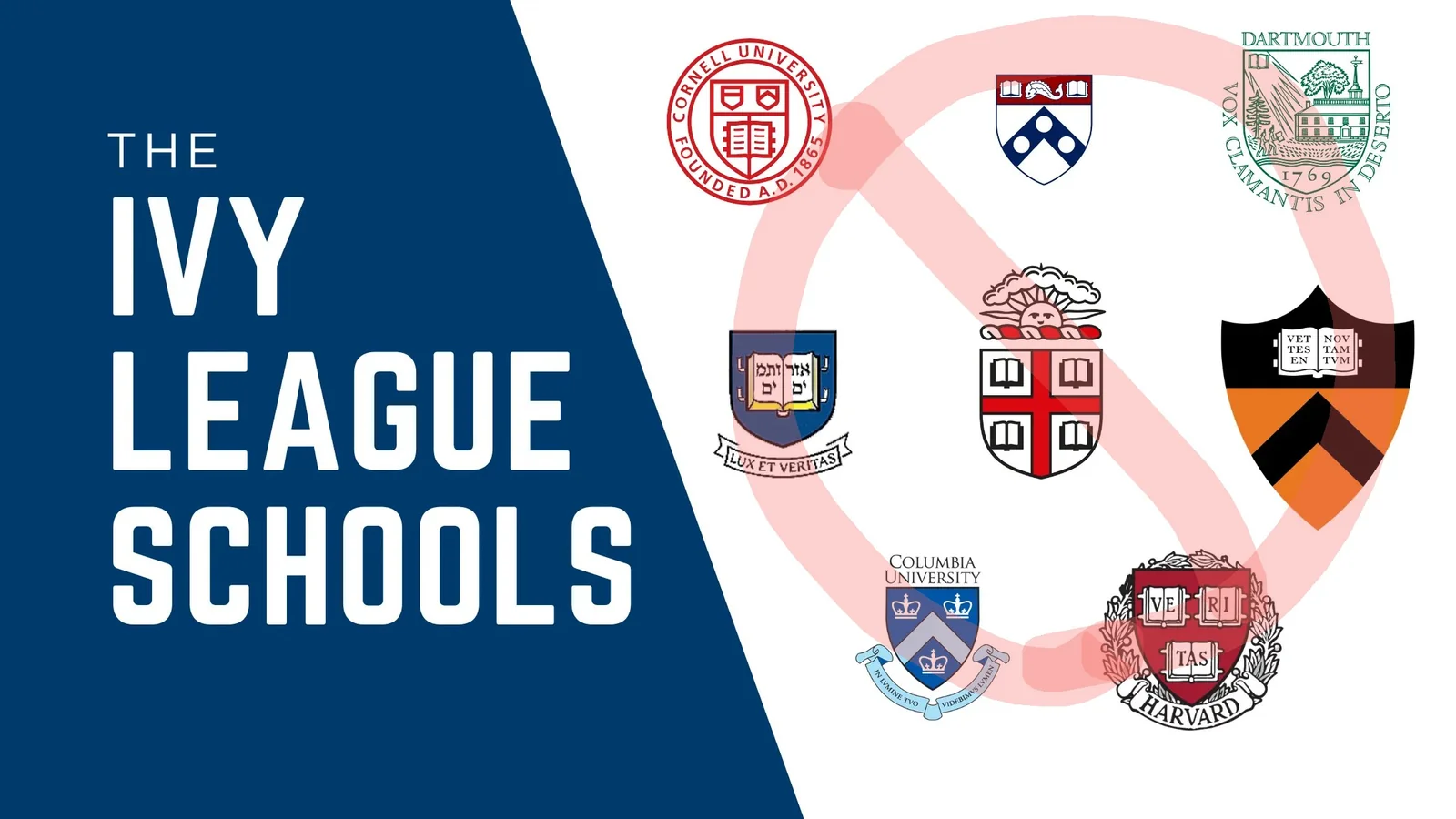
Leading technology corporations are increasingly developing proprietary education and training programs to secure specialized artificial intelligence talent, shifting away from traditional reliance on Ivy League universities. This strategic pivot addresses a persistent talent shortage in advanced computing, machine learning, and robotics engineering.
As the demand for technical expertise outpaces traditional academic output, enterprises are taking workforce development into their own hands. By designing targeted curriculums, companies can align skill acquisition directly with proprietary software frameworks, hardware architectures, and real-world deployment challenges.
Custom Curriculums and Internal Training Frameworks
Modern corporate education initiatives utilize specialized learning modules, hands-on laboratory environments, and direct mentorship from senior engineers. Rather than focusing on broad theoretical foundations typical of traditional undergraduate degrees, these programs emphasize practical competencies such as neural network optimization, autonomous systems integration, and large-scale data processing.
- Direct integration with corporate research and development pipelines
- Hands-on experience with proprietary hardware accelerators and cloud infrastructure
- Targeted skill development focused on immediate industry requirements
Real-World Impact and Industry Adoption
Initial deployments of corporate-led training initiatives show promising outcomes in reducing time-to-productivity for new hires. Organizations implementing these programs report a more efficient talent pipeline, bypassing the multi-year timelines associated with traditional degree paths.
By aligning education directly with operational demands, we can bridge the gap between academic theory and practical engineering execution.
Key sectors adopting these internal pipelines include:
- Artificial intelligence research and deployment laboratories
- Autonomous vehicle development and robotics manufacturing
- Cloud computing and enterprise infrastructure providers
Challenges and Future Outlook
While corporate education programs offer targeted advantages, scaling these initiatives across broader industries remains an ongoing operational challenge. Standardizing credentials and ensuring long-term academic rigor outside of accredited institutions are focal points for industry leaders over the next 12 to 24 months.
Further developments in corporate education models will be monitored as new data becomes available. Source: Reuters.