


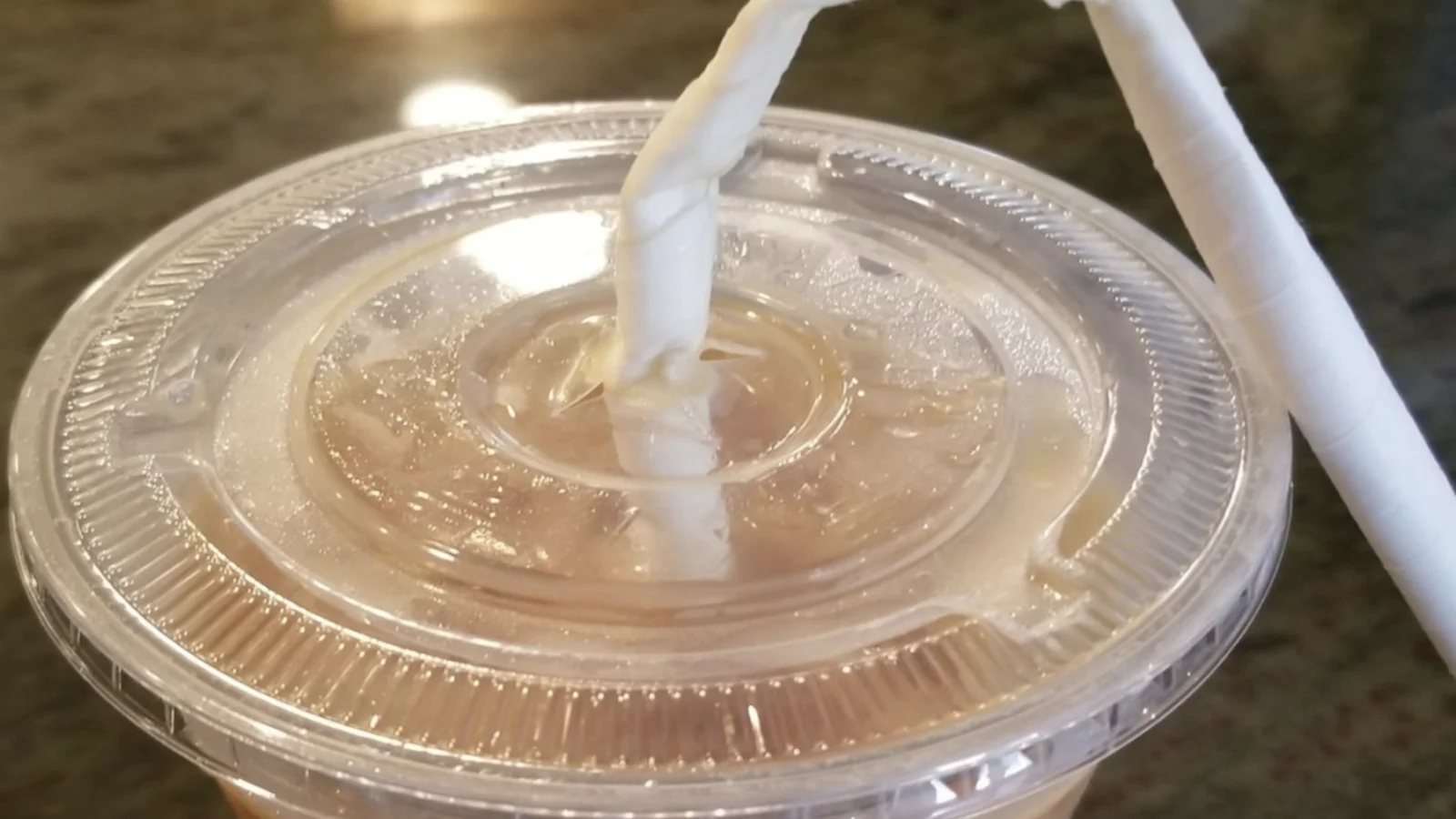
A lifecycle assessment commissioned by South Korea’s Ministry of Climate, Energy and Environment has sparked intense debate over single-use material substitutes. The government study evaluated single-use drinking straws across 16 environmental impact categories and found that paper alternatives generate higher lifecycle impacts in several critical metrics compared to conventional plastic straws.
The disclosure has prompted fresh scrutiny of commercial sustainability initiatives that mandate alternative material adoption without full lifecycle accounting. Policy experts and industry analysts note that replacing synthetic polymers with organic substitutes can shift, rather than eliminate, total industrial pollution footprints across global supply chains.
Life-Cycle Assessment Framework and Evaluation
The study, titled Comprehensive Study on Single-Use Straws, evaluated four distinct materials: conventional plastic, paper, biodegradable plastic, and bio-based polyethylene (bio-PE). Researchers tracked emissions and resource extraction spanning raw material processing, manufacturing, transport, and final waste processing.
According to the findings, conventional plastic straws generated the lowest environmental footprint in 10 of the 16 evaluated categories, including overall climate impact, human toxicity, and particulate matter generation. Waste stream modelling incorporated national disposal figures, assuming 73.6% of used items were incinerated and 26.4% ended up in landfills.

Comparative Metric Benchmarks
The lifecycle data revealed pronounced differences across eco-toxicity and environmental exposure metrics:
- Human Carcinogenic Impact: Paper straws recorded 6.33 times higher potential carcinogenic impact than conventional plastic straws. Biodegradable plastic registered 3.34 times higher, while bio-PE recorded 16.18 times higher impact.
- Environmental Acidification: Paper alternatives generated 2.04 times the acidification potential of conventional plastic. Bio-PE logged 5.9 times higher impact.
- Category Footprint Distribution: Bio-PE straws registered the highest environmental burden in 10 categories, including ozone depletion and smog formation. Paper straws led in three categories.
Environmental scientists emphasize that carcinogenic impact figures reflect modeled industrial emissions during raw material harvesting, chemical processing, and thermal waste treatment rather than immediate direct chemical exposure or toxicological risk to consumers drinking through paper straws.
Policy Reassessment and Industry Implications
The findings come as regulators weigh the efficacy of broad commercial bans on single-use plastics. Lawmaker Kim Wi-sang, who released the study data, called for a shift toward overall consumption reduction rather than material substitution.
The government must acknowledge the failure of its greenwashing policy, which fixated on ineffective substitute materials, and avoid repeating it. Policy should focus on reducing the overall use of disposable products.
South Korea instituted restrictions on plastic straws in commercial establishments in November 2022, but indefinitely extended the enforcement grace period in late 2023 following operational challenges and consumer pushback. The complete findings and reporting on the evaluation are documented by Hindustan Times and Packaging Insights.


