


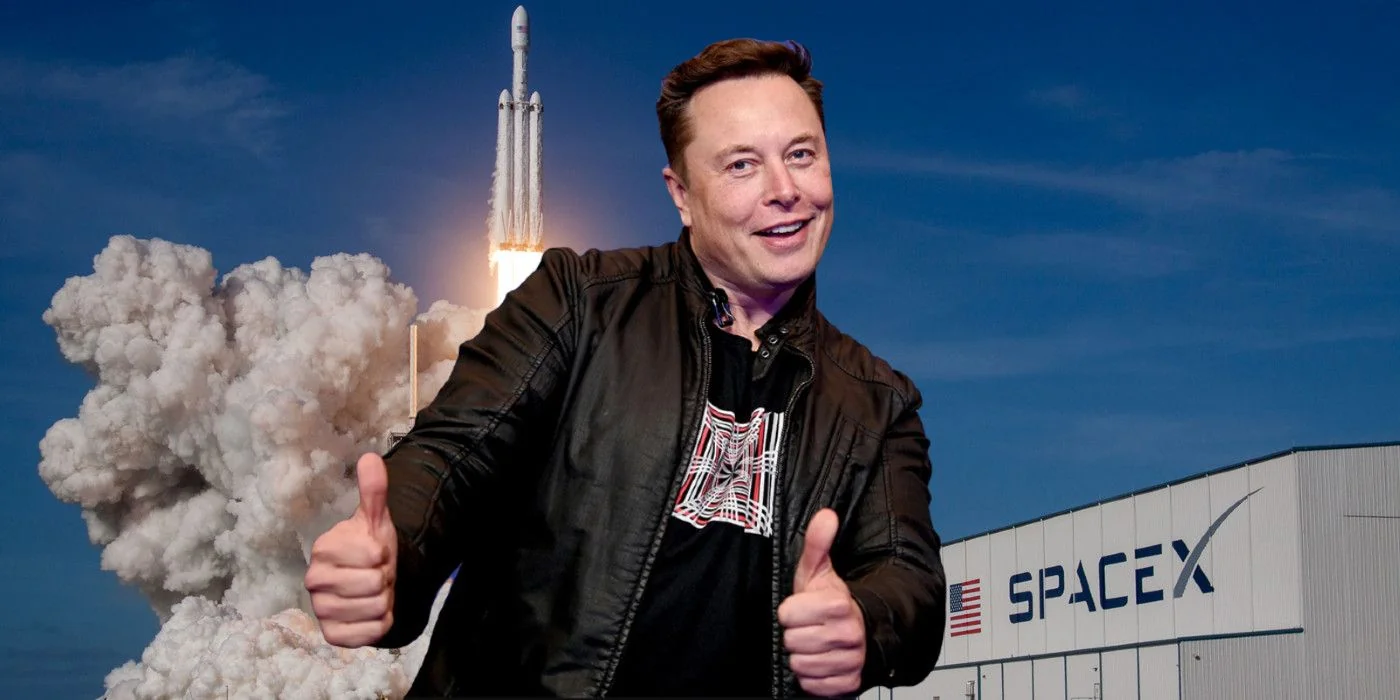
SpaceX is blasting into a new business era, and rockets are no longer the whole story. On October 20, 2026, the company reported third-quarter revenue of $14.6 billion, up 161% year over year, as artificial intelligence and Starlink connectivity powered its expansion. The company also reported $4.4 billion in net income, reversing a loss recorded during the same quarter a year earlier.
The numbers reveal a major shift for Elon Musk's space company. Alongside launching rockets and connecting users to the internet through satellites, SpaceX is rapidly expanding its AI operations and computing infrastructure. It is increasingly positioning itself as a player in the booming market for the computing power needed to develop and run advanced AI systems.
AI Is Becoming a Major Growth Engine
Artificial intelligence played a central role in SpaceX's latest results. According to its third-quarter earnings release, the company's Super Intelligence business and infrastructure operations added $6.7 billion in year-over-year revenue, supported by cloud services agreements, the acquisition of AI coding company Cursor, and the expansion of its AI models and software.
Reuters reported that SpaceX's AI business generated approximately $7.6 billion in quarterly revenue, putting it ahead of Starlink as the company's largest revenue segment. Much of the business involves supplying computing capacity to other companies rather than relying exclusively on revenue from its own AI products.
That distinction matters. Developing powerful AI models requires enormous computing resources, including specialized chips, data centers, electricity and cooling systems. Companies that can build and operate this infrastructure can sell access to customers that need computing capacity but do not want to construct everything themselves.
SpaceX is moving deeper into that market, placing it in a position to benefit from demand for AI infrastructure as well as its existing space and connectivity businesses.
Starlink Still Has a Major Role to Play
While AI is expanding rapidly, Starlink remains a central part of the company's business. Its satellite network delivers broadband internet to customers beyond the reach of many traditional terrestrial networks.
SpaceX reported that its Connectivity segment generated 69% year-over-year revenue growth, supported by demand from consumers, businesses and government customers. The company also highlighted continued growth in Starlink subscriptions.
Satellite connectivity and AI infrastructure may appear to be very different businesses, but both depend on large-scale technology systems. Starlink requires satellites, launch capacity, ground infrastructure and network management. AI computing depends on data centers, advanced processors, power and networking equipment.
SpaceX's position across multiple parts of the technology supply chain gives it several potential sources of growth, although each business comes with its own costs and operational challenges.
The Price of Building an AI Powerhouse
Rapid growth does not come cheap. SpaceX reported approximately $19.6 billion in capital expenditures during the third quarter, with $16.4 billion allocated to AI-related investment, according to reporting on the company's results.
That spending reflects the cost of expanding computing capacity. AI data centers require large numbers of specialized processors, sophisticated networking systems, cooling infrastructure and substantial electricity supplies.
SpaceX reported that its computing capacity had reached 1.7 gigawatts as of September 30, 2026. The figure illustrates the scale of its infrastructure ambitions, although computing capacity alone does not establish how efficiently that infrastructure is being used or how quickly the investment will pay off.
The strategy carries financial risks. Building infrastructure ahead of demand requires significant capital, while competition, energy availability and the economics of AI services can affect future returns.
What This Means for the AI Industry
SpaceX's results highlight a broader shift in the AI industry: the race is no longer just about building better models. It is also about securing the physical infrastructure needed to train and run them.
Demand for AI computing has created opportunities for companies that can provide access to specialized hardware and data-center capacity. SpaceX's expansion into this market puts it in competition with established cloud providers and other infrastructure businesses.
Its combination of satellite connectivity, launch operations and AI computing is unusual, but the long-term value of that combination will depend on execution. Revenue growth is encouraging, yet sustained profitability requires the company to manage enormous infrastructure costs while continuing to attract customers.
The Bottom Line
SpaceX's latest results show a company expanding well beyond its original identity as a rocket and satellite business. Third-quarter revenue reached $14.6 billion, net income came in at $4.4 billion, and AI infrastructure emerged as a major driver of growth.
The next challenge is turning that expansion into durable financial performance. SpaceX is investing heavily in computing capacity while continuing to develop its connectivity and space operations. Whether those investments deliver lasting returns will become clearer as the company reports future results.
One thing is already evident: the business of space is increasingly connected to the business of artificial intelligence. SpaceX is betting that its next phase of growth will come not only from reaching orbit, but also from powering the technology boom taking place back on Earth.
Sources
- SpaceX — Third Quarter 2026 Results: Official earnings release filed with the U.S. Securities and Exchange Commission, including revenue, net income, capital investment and computing capacity.
- Reuters — SpaceX quarterly revenue jumps, beats estimates as AI business surges: Reporting on SpaceX's quarterly revenue growth and expanding AI infrastructure business, October 20, 2026.
- Associated Press — Elon Musk's SpaceX reports a profit and he hints at a possible merger with Tesla: Independent reporting on SpaceX's third-quarter financial performance and the role of AI and Starlink.


