


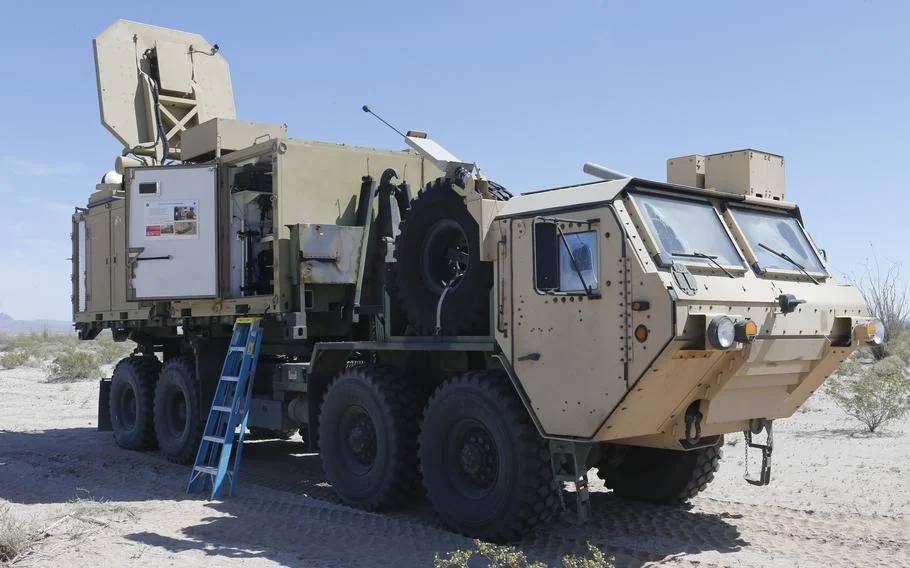
The Pentagon has authorized the Department of Homeland Security (DHS) to test a military-grade directed-energy system and to develop tactics for its possible use at the southern U.S. border. The authorization comes from a memo signed by Defense Secretary Pete Hegseth, which CNN obtained and reported on October 21, 2026. The device is the Active Denial System (ADS), often nicknamed the "heat ray."
The system has never been deployed at the U.S. border. Current and former Customs and Border Protection (CBP) officials told CNN they have discussed using it to disperse crowds in areas with high numbers of crossings. The loan is a test and development phase. It does not amount to an operational deployment.
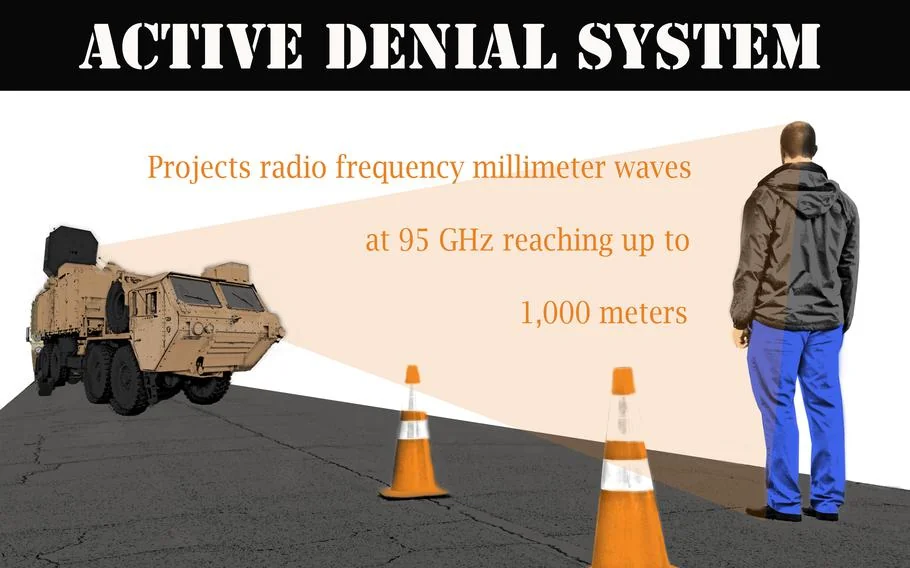
How the Active Denial System works
The ADS is a non-lethal, directed-energy system that projects a man-sized beam of millimeter waves. According to the Marine Corps, it operates at 95 gigahertz and can reach targets at up to 1,000 meters. That is a little more than half a mile.
The beam penetrates only about 1/64 of an inch into the skin. It produces a reversible heating sensation that Pentagon officials have compared to opening a hot oven. Military officials have said the effect can linger for 10 to 15 minutes and creates an "instinctive and irresistible urge to run from the effect."
Marine Col. Tracy Tafolla, then director of the Joint Non-Lethal Weapons Directorate, stressed a distinction at a 2012 demonstration:
It is a millimeter wave system, it is not a microwave.
Most non-lethal tools in use at the time relied on kinetic energy, such as rubber projectiles. The Marine Corps said the ADS had roughly ten times their range. The Corps also said the technology had undergone a full legal and treaty review and was found compliant with the international legal obligations of the United States.
What the memo allows
- A "temporary loan" of one ADS system for seven months, starting in September.
- The system "shall not be operated by Department of War personnel." DHS is solely responsible for its use and for developing tactics and procedures.
- After the loan period, DHS can request further use of the system for border operations, a defense official told CNN.
- The DHS request did not specify where or how the system would be tested, or how it might eventually be used.
A CBP spokesperson said in a statement that the agency "is continually evaluating new technologies, especially those that enhance operational effectiveness and strengthen mission capabilities." The Pentagon referred CNN to DHS for comment.
Earlier proposals and open questions
The idea is not new. According to CNN's reporting, officials previously considered whether the system could help agents deter people from crossing near a river. They raised concerns that people could be incapacitated or pushed into the water and need rescue.
In 2018, then-Homeland Security Secretary Kirstjen Nielsen rejected a proposal to use the system against migrants. Officials also raised legal, use-of-force and sovereignty concerns, particularly if it were used on people who had not yet crossed into the U.S. A former U.S. official told CNN that officials also considered deploying the system during periods of domestic unrest, including the protests after George Floyd's death.
Several questions will determine what comes next over the loan period and beyond:
- Where the test would take place and how DHS would measure its results.
- Which use-of-force policies would govern a system DHS has not operated before.
- Whether DHS requests further use of the system once the seven-month loan ends.
Neither DHS nor CBP has published a testing plan, and the memo does not describe one.
Sources: WJLA / The National News Desk report on the Pentagon memo, citing CNN, and U.S. Marine Corps Headquarters, "New Marine Corps non-lethal weapon heats things up" (2012).


