


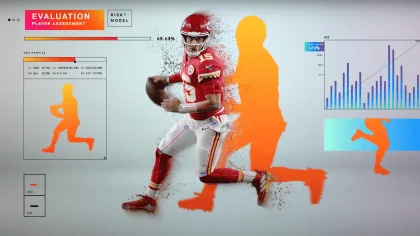
The National Football League (NFL) is actively deploying advanced machine learning models powered by Amazon Web Services (AWS), centered around a virtual simulation platform known as the Digital Athlete. Running millions of player simulation data points, the system is designed to detect early signs of biomechanical fatigue, predict high-risk injury movements, and recommend customized training adjustments for athletes.
This technological integration represents a critical shift in sports science, leveraging cloud computing and predictive artificial intelligence to proactively manage athlete health rather than relying solely on reactive medical treatment.
Technical Architecture and Cloud Simulations
At the core of the initiative is the Digital Athlete, a cloud-based simulation platform developed in collaboration with AWS. The system processes massive volumes of tracking data, video feeds, and biomechanical metrics gathered during games and practice sessions.
By executing millions of multi-variable simulations, the platform models how physical forces impact human anatomy in real-time, mapping joint loads, muscle stress, and collision dynamics to identify movement patterns associated with elevated injury risks.
Empirical Data and Real-World Impact
The deployment of cloud-backed analytics has changed how training staffs handle player workloads across multiple franchises. Teams utilize automated insights generated by the platform to modify practice intensity, adjust recovery protocols, and tailor individual training regimens.
While exact deployment adoption rates vary by franchise integration level, the underlying infrastructure relies heavily on high-performance cloud compute instances and advanced machine learning frameworks to handle complex data processing during demanding athletic schedules.
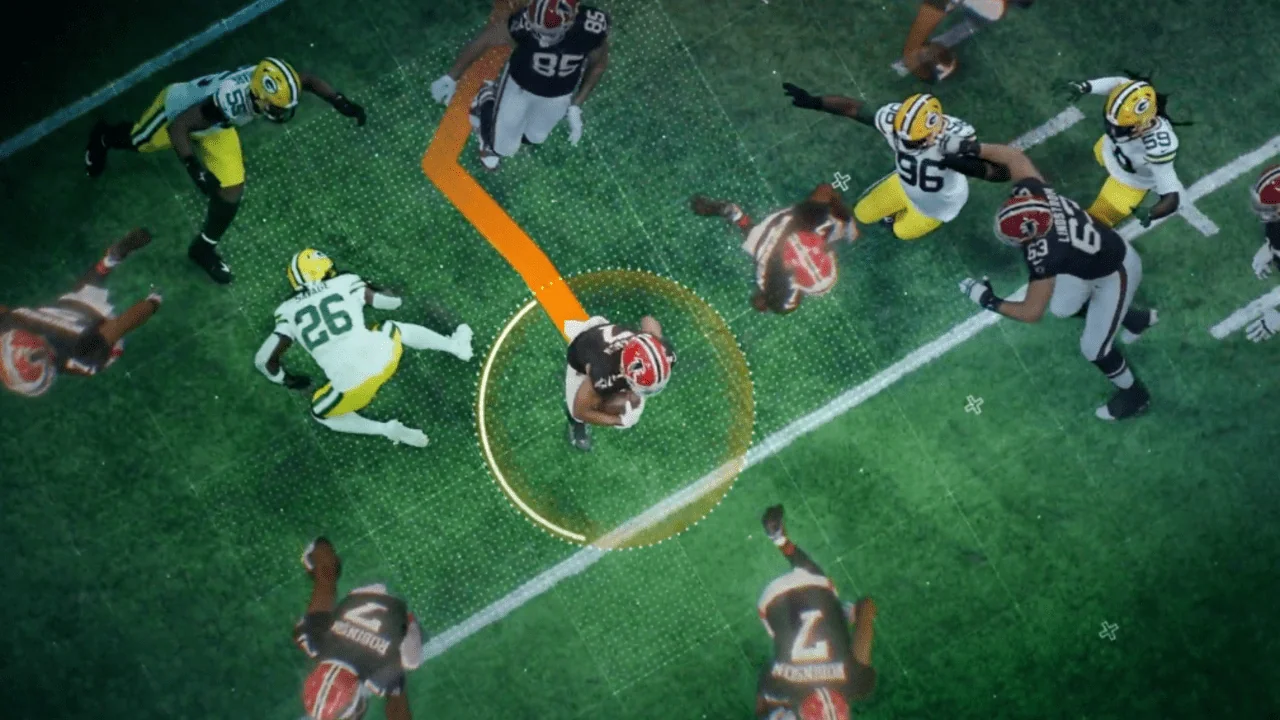
Industry Context and Future Outlook
Despite significant advancements, engineering and operational challenges remain over the next 12 to 24 months, particularly in improving the real-time fidelity of physiological models and expanding biometric tracking sensors during live competition.
As cloud infrastructure and machine learning capabilities mature, sports organizations continue to look toward predictive modeling as a foundational standard for athlete longevity and safety management.


