
A few weeks after Meta revealed the Muse Charm at Connect 2026, the reaction is clear even though the device is not. Nobody outside Meta has published a hands-on review, because Meta said it has built only a handful of units and is still finalizing components. So this is a roundup of what commentators, readers and analysts have said about the announced hardware, not a verdict on how it performs.

What People Are Reacting To
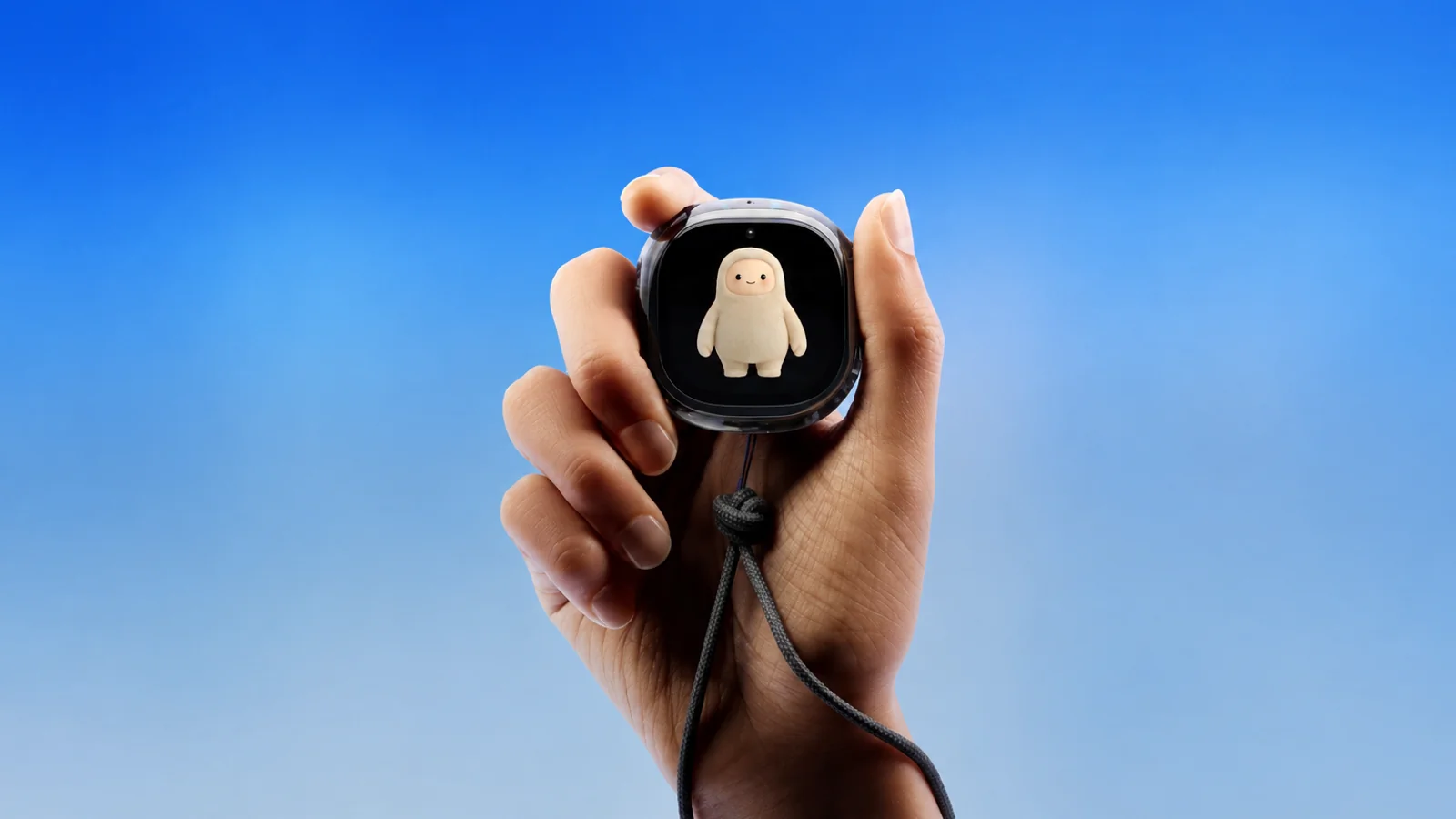
The Charm is a palm-sized, Tamagotchi-like gadget built to talk to Muse, the AI agent Meta launched on September 8. Reported hardware includes a roughly 2-inch OLED touchscreen, front and rear cameras, microphones, a USB-C port, a fingerprint sensor for waking it and a built-in 5G modem. Setup runs through the Muse app on iPhone or Android. Meta plans to ship it in December but has not announced a price, battery life or full specifications. Sources cited by Reuters-linked coverage suggest pricing could land in smartwatch territory, though that is unconfirmed.
The Praise
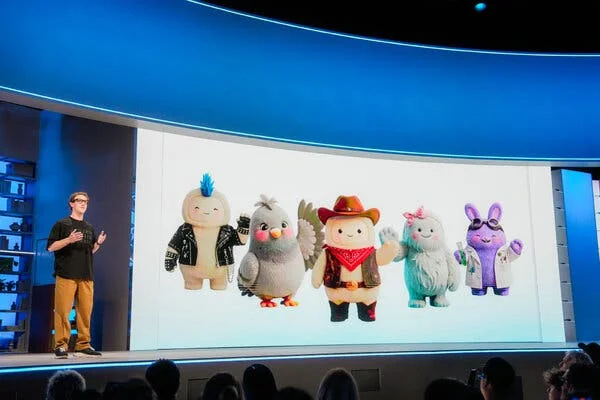
- The design. Android Central's coverage framed it as a modern take on the classic virtual pet. Other outlets drew comparisons to bag-charm culture and collectible toys. Users can pick characters such as Meta's Jolly mascot, a mango, a labradoodle or a piece of toast in sunglasses.
- The phone-free pitch. Supporters point out that the Charm works without a phone, thanks to its own 5G connection, and can use its cameras to show Muse what is happening around the user. That is the case Mark Zuckerberg made for people who are not wearing Meta's smart glasses.
- The "premium hacker" look. Zuckerberg described the translucent shell as showing off the internal electronics, which some early commentary treated as a deliberate design statement.
The Skepticism
Tom's Guide went through more than 400 reader comments on its Instagram post about the Charm and summed up the reception in a few words: "frosty." Its headline quoted a reader's phrase, "Surveillance Tamagotchi." Common objections across outlets include:
- What problem does it solve? One widely shared reaction asked why anyone would want an extra gadget when they already carry a phone. Others noted that an Apple Watch handles many voice tasks. Commentators also pointed to the Humane AI Pin and Rabbit R1 as earlier AI gadgets that did not catch on.
- Privacy. The device combines microphones, cameras, memory and always-on connectivity. Readers in several outlets compared it to other persistent-presence devices. Tom's Guide noted that the privacy risk is not necessarily greater than gadgets people already carry, but the pitch of a constantly present AI invites the comparison.
- Who it appeals to. The Israeli outlet Ynet reported that child-safety advocates challenged the cartoon-like mascot. One said the design looked like "a completely inappropriate attempt by Meta to get young kids hooked on Muse." Meta says Muse is restricted to adults and requires a date of birth from every user.
A Split Based on Trust
South Korea's DigitalToday ran a reader survey on Meta's new hardware lineup. It found 37.27 percent said the lineup was not to their taste. The outlet concluded that opinions seemed to hinge less on how the devices perform than on how much people trust Muse and Meta.
That trust question is not abstract. Muse drew concern at launch over app permissions and handling of financial data. Meta says it designed Muse so it cannot read saved passwords or card numbers. Amazon also blocked Muse from shopping on its site on September 21, citing undisclosed agent activity and credential capture, according to reporting. Muse's commerce features connect to retailers such as Walmart, Best Buy and Gap, and Meta says it will take a small fee on transactions instead of showing ads.
What Analysts Say
In an October 13 analysis, Futurum Group described the Charm as less important as a revenue line than as proof of Meta's strategy of making every device a way into Muse. It argued that the Charm's value depends on how well Muse completes tasks and on whether the experience feels distinctive and enjoyable. Meta's own CTO, Andrew Bosworth, has said the company expects far more Muse use through phones and glasses than through the Charm.
What We Still Don't Know
For now, the reaction is divided. Fans like the design and the phone-free idea, while critics question the need for the device and Meta's data practices. We will publish a hands-on assessment once Meta ships review units. Sources include Tom's Guide, Android Central, Ynet, DigitalToday and Futurum Group.