


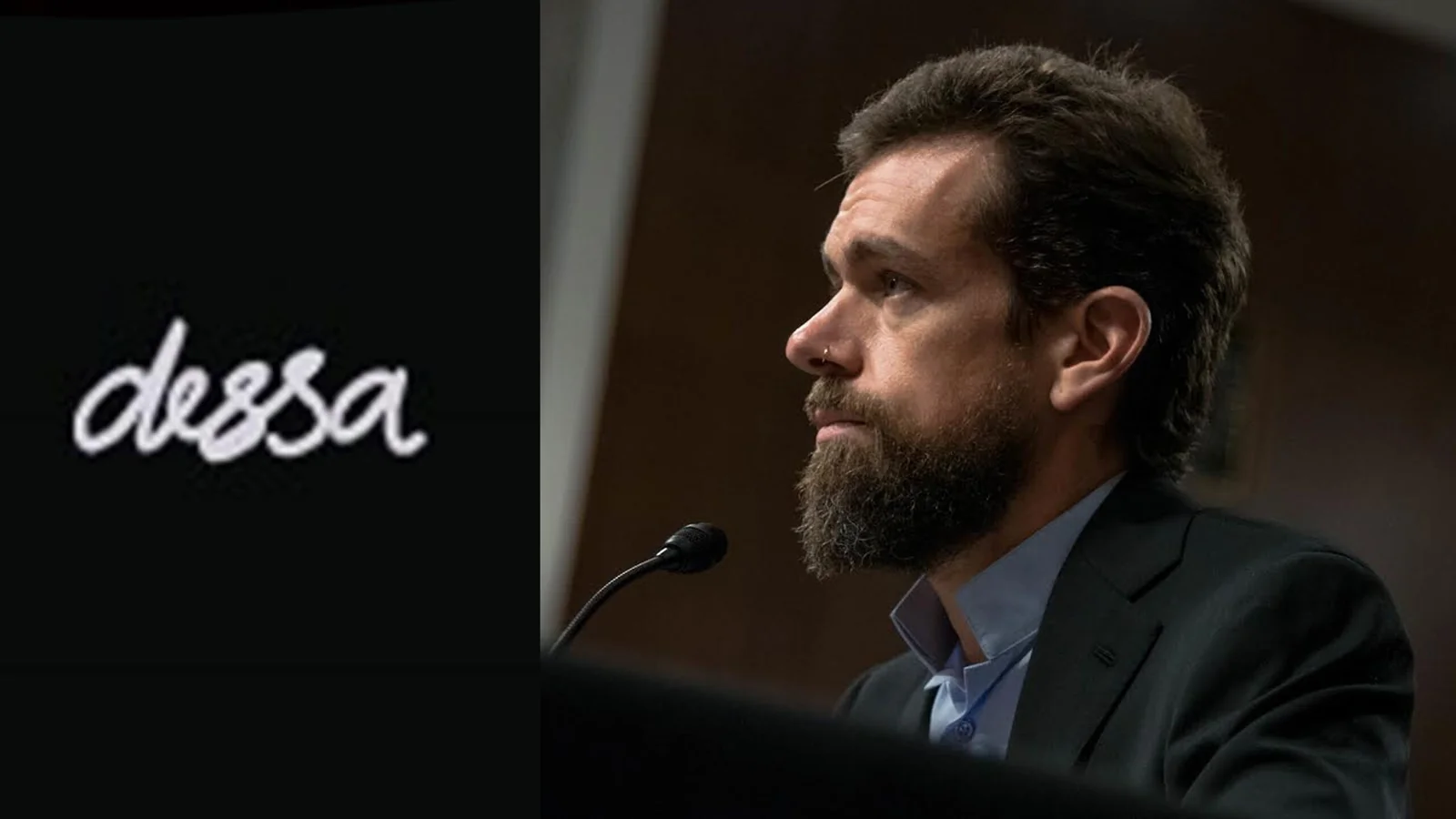
Financial technology company Block, led by co-founder Jack Dorsey, has introduced Dessa, a new full-duplex conversational artificial intelligence voice model. Unlike conventional voice assistants that rely on transcription pipelines, Dessa was trained entirely from scratch on raw human conversation without utilizing text or pretrained models. The system is designed to listen and speak simultaneously while recognizing and expressing emotional nuances such as laughter, sarcasm, hesitation, and breathing cadences.
The announcement marks a departure from standard generative audio architectures, which typically route user audio through a text-to-speech conversion pipeline. By bypassing traditional text intermediary steps, Block aims to eliminate the stilted pacing, latency, and emotional flattening that frequently characterize modern voice bots.
Technical Architecture and Specifications
Standard voice AI systems operate using a multi-stage pipeline: converting spoken audio to text via speech recognition, processing the text through a large language model, and synthesizing a text response back into speech. Dessa replaces this workflow with a direct audio-in, audio-out architecture.
According to technical details shared by Block, the model was trained using raw speech data on a single Nvidia GB200 NVL72 system. Despite the complexity of processing spoken communication—which carries significantly more acoustic variations per utterance than written text—Block reports that Dessa learned language structures from significantly fewer data tokens than standard large language models require.
Furthermore, Block states that the model is efficient enough to run locally on hardware such as a MacBook Pro equipped with an M4 Max chip or higher. Its full-duplex capability allows the model to engage in active listening, utilizing conversational backchannels like affirmative expressions and quick interruptions without waiting for a user to completely finish speaking.
Empirical Data and Real-World Preview
Block has released initial demonstration recordings showcasing Dessa interacting in real time with users and third-party systems. In these audio samples, the model exhibits dynamic volume adjustments based on user prompts, spontaneous laughter mid-sentence, and vocal inflections reflecting varied emotional states.
However, independent experts note that comprehensive third-party benchmarks, public APIs, and open evaluation datasets have not yet been published. Because the model remains unreleased to the general public, current performance metrics rely entirely on corporate disclosures and curated demonstration clips rather than independent field-testing.
Industry Context and Future Outlook
The introduction of speech-only conversational models highlights an evolving shift toward more natural human-computer interfaces. Industry analysts point out that while capturing emotional cues makes voice interactions feel more organic, it also introduces operational and safety considerations. Highly realistic synthetic voices carry inherent challenges regarding authenticity, potential misuse in voice cloning scams, and the difficulty users face in distinguishing automated systems from humans.
To address these operational risks proactively over the upcoming 12-to-24-month horizon, Block has announced an early-access program for selected artificial intelligence safety researchers.
A model that learned to talk from sound alone is new territory, and we want outside eyes on it. We're giving a small group of AI safety researchers early access to find the risks we haven't anticipated.
As development continues, the company intends to gather external scrutiny before determining a broader public rollout strategy for the technology.
Source: Block Official Announcement


