


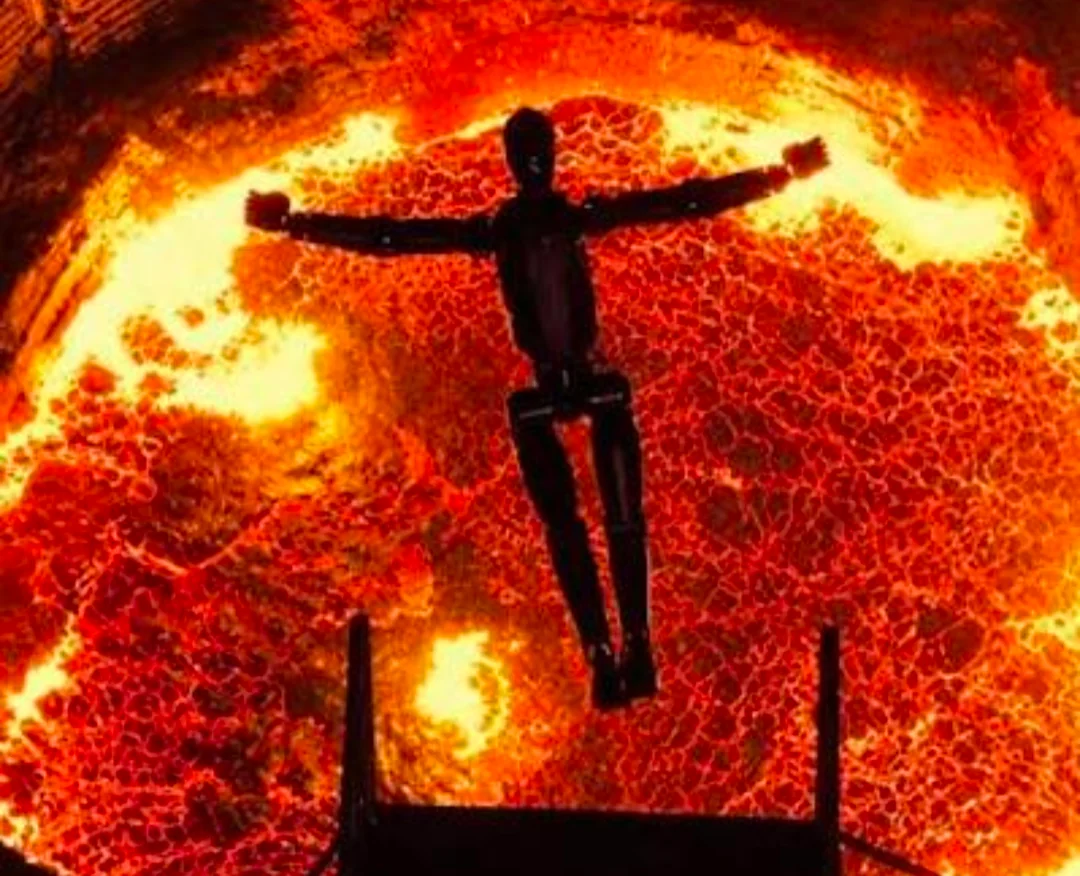
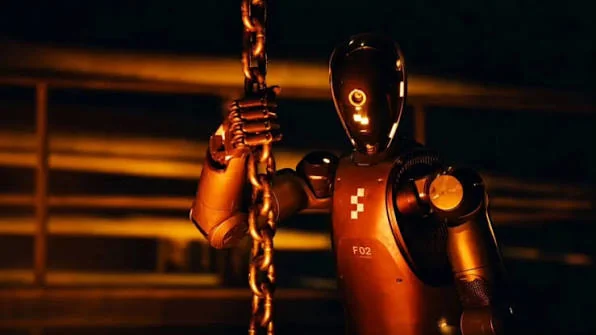
Figure AI has decommissioned most of its Figure 02 humanoid robot fleet by training the machines to jump autonomously into a vat of molten steel at a foundry in Imatra, Finland. The company announced the action on September 30, 2026, stating that maintaining the older robots no longer made sense as its F.03 fleet expands.
The F.02 robots marked several early milestones for the California-based firm, including its first deployment at a BMW plant, the development of the Helix AI system, initial household task demonstrations, and logistics work. With the newer generation growing, the company sought a method to dispose of the fleet that would fully protect custom-built actuators and other proprietary hardware.
Protecting Intellectual Property
Manually disassembling each robot would have required significant time from technical staff and delayed work on the upcoming F.04 generation. Figure asked the public for ideas on how to handle the decommissioning. Actor Arnold Schwarzenegger responded with the suggestion to melt them, referencing the fate of the T-800 character he portrayed in the Terminator films.
Figure contacted Schwarzenegger, who agreed to participate in the project. Foundries in the United States and Mexico declined to accept robots containing lithium-ion batteries due to safety concerns with their equipment. Assistance from former MythBusters personnel helped identify a willing facility. Ovako’s steel plant in Imatra, Finland, agreed to host the operation.
Training and Execution
Training took place at Figure’s San Jose campus. Engineers set up large airbags and taught the robots to jump from the second floor of a building. Using motion data from stunt performers as a reference, the team trained a new AI model in simulation. This allowed the robots to execute precise jumps into a target they had never physically encountered.
At the Finnish foundry, a 75-ton electric arc furnace powered by three large graphite electrodes melted solid steel scrap. The team operated under tight constraints: 24 hours total and six melting cycles. Each cycle provided roughly a 20-minute window before the molten steel cooled and formed a hard crust on the surface.
Despite extreme heat and strong electromagnetic fields that disrupted some cameras and other electronics, the robots continued running their AI policies and completed the jumps as planned. Ovako spokesperson Satu Tähkä confirmed she observed the robots enter the molten vat.
Aftermath and Next Steps
The resulting metal bars were shipped back to the United States. Figure is machining the material into a limited series of commemorative artifacts. Most of the F.02 fleet has been destroyed, with only a small number remaining in storage at company headquarters.
Figure emphasized that the footage is real and not AI-generated. The company trained the robots to jump autonomously, shipped them overseas, and executed the decommissioning under the described conditions. The process allowed the firm to securely retire proprietary hardware while redirecting engineering resources toward the next generation of humanoid robots.
Sources: Figure AI official announcement, Yle News report on the Imatra event, The AI Insider coverage.


