

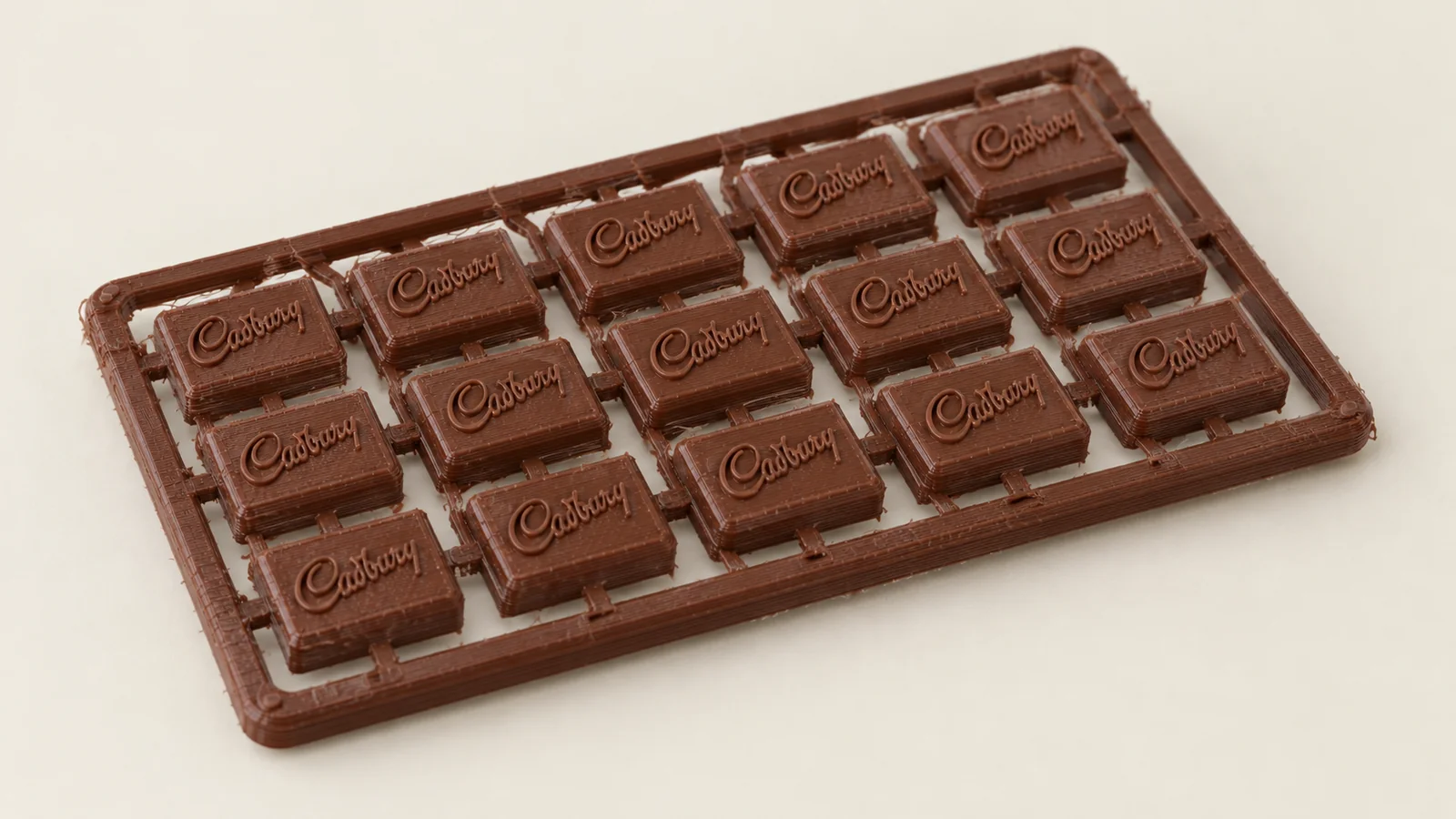
Israeli food technology company Celleste Bio has partnered with Mondelēz International to produce nearly a dozen milk chocolate bars incorporating cocoa butter grown via plant cell suspension culture. Announced in mid-April 2026, the bars were manufactured using Celleste’s ingredient at Cadbury’s research and development facilities in Bournville, Birmingham, demonstrating that the cell-cultured fat performs as a functional equivalent in industrial chocolate production.
This development marks a practical step for cellular agriculture in the cocoa sector, where traditional supply faces volatility from climate impacts, disease, and land constraints. Celleste, founded in 2022 and based in Israel’s Misgav region, extracts cells from real cocoa beans and multiplies them in bioreactors with water, sugars, vitamins, and minerals to generate biomass from which cocoa butter is extracted. The process is designed as a seamless drop-in replacement that preserves the melt profile, texture, snap, and sensory qualities of conventional cocoa butter without requiring changes to existing manufacturing lines.
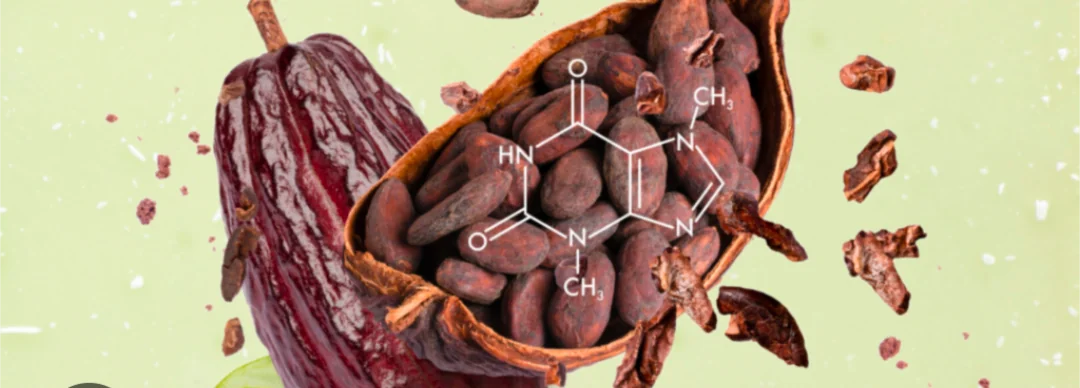
Technical Architecture and Production Process
Celleste’s platform combines biotechnology, agricultural technology, and computational AI modeling. Cells are taken from a cocoa bean, placed in culture conditions that mimic the natural pod environment, and grown in suspension. Once biomass accumulates, it is harvested and processed into chocolate-grade cocoa butter (and potentially powder). The cells continue proliferating after harvest, enabling repeated production cycles from the initial seed material. AI tools support customization of properties such as melting point or flavor notes to match manufacturer specifications.
According to the company, one to two beans can yield the volume of cocoa butter that traditionally requires roughly four tonnes of cocoa pods and 10,000 square meters of land. Chief Technical and Scientific Officer Hanne Volpin has stated the firm is on track to produce one tonne of cocoa butter annually in a 1,000-liter bioreactor from a single bean—an output otherwise associated with about one hectare of cocoa trees. No genetic modification is involved; the material derives from naturally occurring cocoa cells.
Empirical Results and Scale Plans
Mondelēz, an investor in Celleste through its SnackFutures Ventures arm since 2022, tested the butter across nearly a dozen prototype milk chocolate bars. The bars met the company’s internal consumption and quality standards, with no reported differences in texture, melt behavior, or sensory experience compared with conventional products. Celleste has raised approximately $5.6 million to date, including participation from Mondelēz, Supply Change Capital, The Trendlines Group, and others, and has established an operational R&D pilot facility.
The company targets market-ready commercial volumes by the end of 2027, contingent on regulatory approvals in the United States, United Kingdom, European Union, and Israel. Longer-term, it aims to supply around 50,000 tonnes of cocoa butter annually by 2035—roughly 5 percent of global demand—positioning the technology as a supplement rather than a full replacement for tree-grown cocoa. Chocolate manufacturers currently spend an estimated $16 billion yearly on cocoa ingredients, with butter comprising a major share.
Industry Context and Next Steps
Cocoa supply chains have experienced significant price swings and production shortfalls linked to weather extremes and crop disease in key West African growing regions. Celleste CEO Michal Beressi Golomb has described the milestone as validation that the ingredients function as drop-in replacements and that the cocoa butter performs identically to conventional material, clearing the path toward commercial scale. “We’ve validated our ingredients as drop-in replacements, created an operational R&D pilot facility to scale up our volumes and now proven our cocoa butter performs identically to conventional cocoa,” she stated in the company’s announcement.
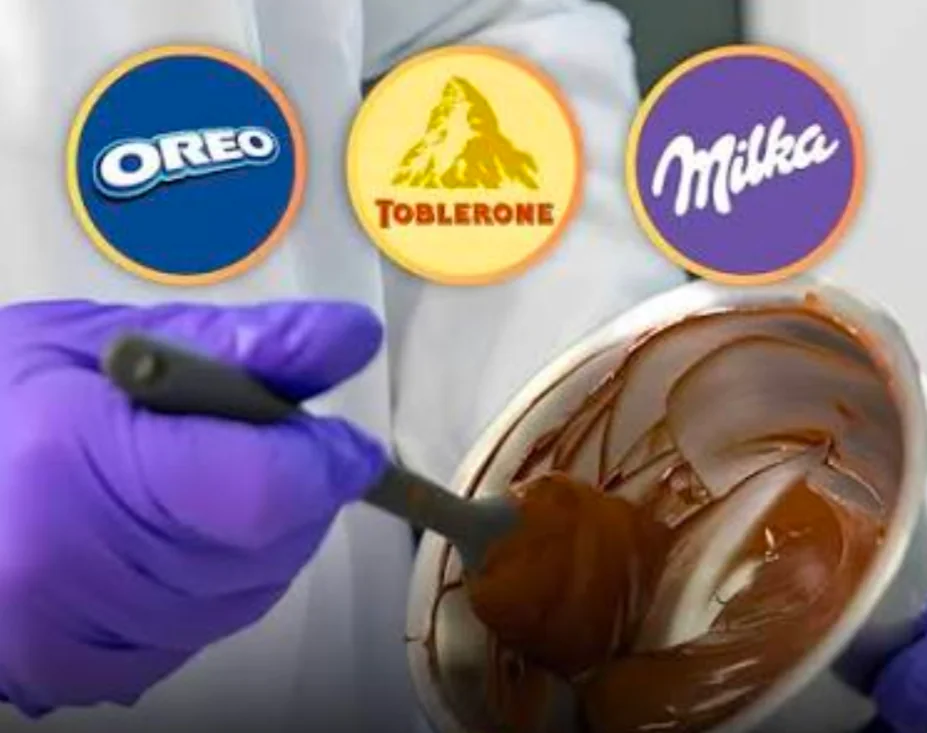
Remaining hurdles over the next 12 to 24 months center on completing pilot-scale production, securing novel-food or equivalent regulatory clearances in major markets, and demonstrating cost parity or advantage relative to fluctuating conventional cocoa prices. Consumer acceptance of cell-cultured ingredients and integration into branded products such as those under Mondelēz’s portfolio (including Cadbury, Toblerone, Milka, and Oreo) will depend on successful scaling and labeling decisions. Parallel efforts exist at other firms, including California Cultured and Kokomodo, though Celleste’s butter-focused results with a major confectionery partner represent a distinct commercial validation step.
This article draws on the Celleste Bio press release via PR Newswire, reporting from Green Queen, Food Dive, Ctech, Food Navigator, and the company’s website. Sources: PR Newswire – Celleste Bio announcement, Green Queen, Food Dive, Ctech, Food Navigator, Celleste Bio.