

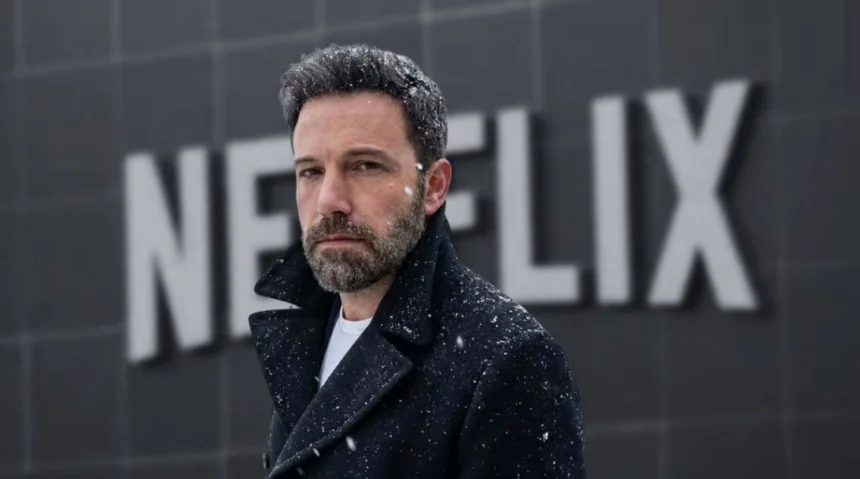
Actor and director Ben Affleck spent years quietly building an AI company before Netflix bought it. On March 5, 2026, the streamer announced it was acquiring InterPositive, a Los Angeles-based filmmaking technology startup Affleck founded in 2022. He joined Netflix as a senior adviser as part of the deal, and the full InterPositive team moved over with him. In July, a Netflix regulatory filing put the price at $587 million in cash, according to reporting by TechCrunch.
The deal matters because it is one of the largest tie-ups between a major streamer and a company built around AI-assisted production. It also arrived while Hollywood is still arguing over what role generative AI should play in film and TV.
What InterPositive Actually Builds
InterPositive is not a text-to-video generator like Sora or Veo. Affleck has described the technology as not about text prompting or generating something from nothing. It is a post-production tool.
- The company's first model was trained to understand visual logic and editorial consistency while preserving cinematic rules.
- It targets real-world production problems such as missing shots, background replacements and incorrect lighting.
- Filmmakers can reportedly build their own proprietary models from scenes they have already shot, then use that data to handle time-consuming technical details.
- Its systems are trained on real production data captured on controlled film sets, rather than on synthetic performances or AI-generated actors.
A Rest of World analysis characterizes the tools as automating color grading, relighting and continuity fixes. Those tasks are normally done frame by frame by visual effects artists.
The Numbers Behind the Deal
- Price: $587 million in cash, per Netflix's filing. Bloomberg had earlier reported the deal could reach up to $600 million for Affleck and InterPositive's investors.
- Team: Variety reports InterPositive had 16 engineers, researchers and creatives, all of whom joined Netflix.
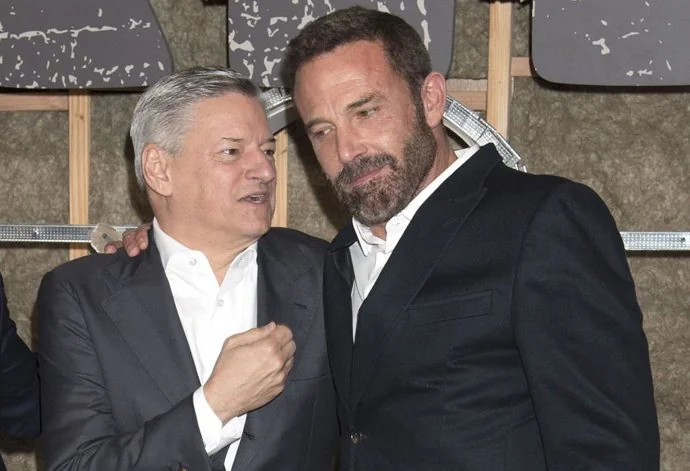
- Netflix's AI footprint: On its second-quarter earnings call, Netflix said roughly 300 of its titles have used some form of generative AI this year. Co-CEO Ted Sarandos described the InterPositive integration as being in its "early days."
- Savings claims: Deadline reported that materials from about two years before the sale claimed InterPositive could cut roughly $7 million from a production's below-the-line costs and give a 50% discount on visual effects. These are the company's own claims, and the article does not present them as independently verified.
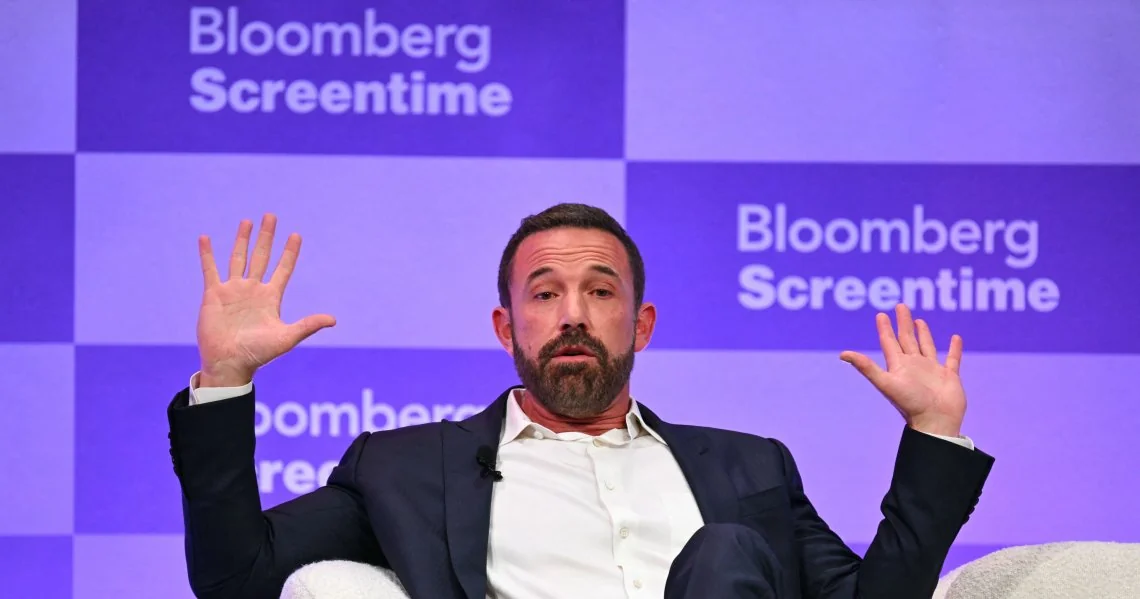
Affleck has also used the technology in his own work. At Bloomberg's Screentime event earlier this month, he said he used AI "for lots of things" on his upcoming Netflix thriller Animals, without specifying which. He also said he does not believe a filmmaker will ever be able to type a prompt and get a movie audiences want to see, according to The Hollywood Reporter.
Reaction and Open Questions
The announcement drew criticism. Variety's Australian edition reported online backlash over the fact that Affleck's ownership of an AI company had stayed largely out of public view for years. Rest of World reported concern among visual effects workers, noting that more than 2 million professionals work in VFX globally. It added that Netflix has not said whether studios in India, South Korea or Latin America that currently work on its originals would qualify as "creative partners" with access to the tools.
Netflix and Affleck frame the technology as supportive of artists. Affleck said in his announcement that he wanted to "protect the power of human creativity." Netflix chief product and technology officer Elizabeth Stone said the team joined because of a shared belief that "innovation should empower storytellers, not replace them."
Over the next 12 to 24 months, several things remain to be seen:
- How widely Netflix deploys InterPositive's tools across its slate beyond early projects
- Whether external VFX and post-production vendors get access to the technology
- How guilds and unions respond as AI-assisted workflows become more common
- Whether the cost savings suggested in earlier materials show up in real production budgets
Netflix has not published detailed performance data for the tools. Their real-world effect on budgets, schedules and jobs will become clearer as more AI-assisted titles reach audiences.
Sources: Variety, TechCrunch, NPR, Gulf News, Rest of World, Deadline, Variety Australia, The Hollywood Reporter.